Thinking about buying a multifamily home in Newark’s Ironbound? You are not alone. For many buyers, Ironbound offers a rare mix of rental income potential, strong regional access, and the chance to live in one unit while building equity with the others. The tradeoff is that you also need to be ready for older housing stock, city compliance rules, and a more hands-on buying process. Let’s dive in.
Why Ironbound Fits Multifamily Buyers
Ironbound is one of Newark’s most established multifamily neighborhoods. Housing and commerce are closely woven together, and the area is known for compact blocks, active streets, and a built form that feels very different from lower-density suburban markets.
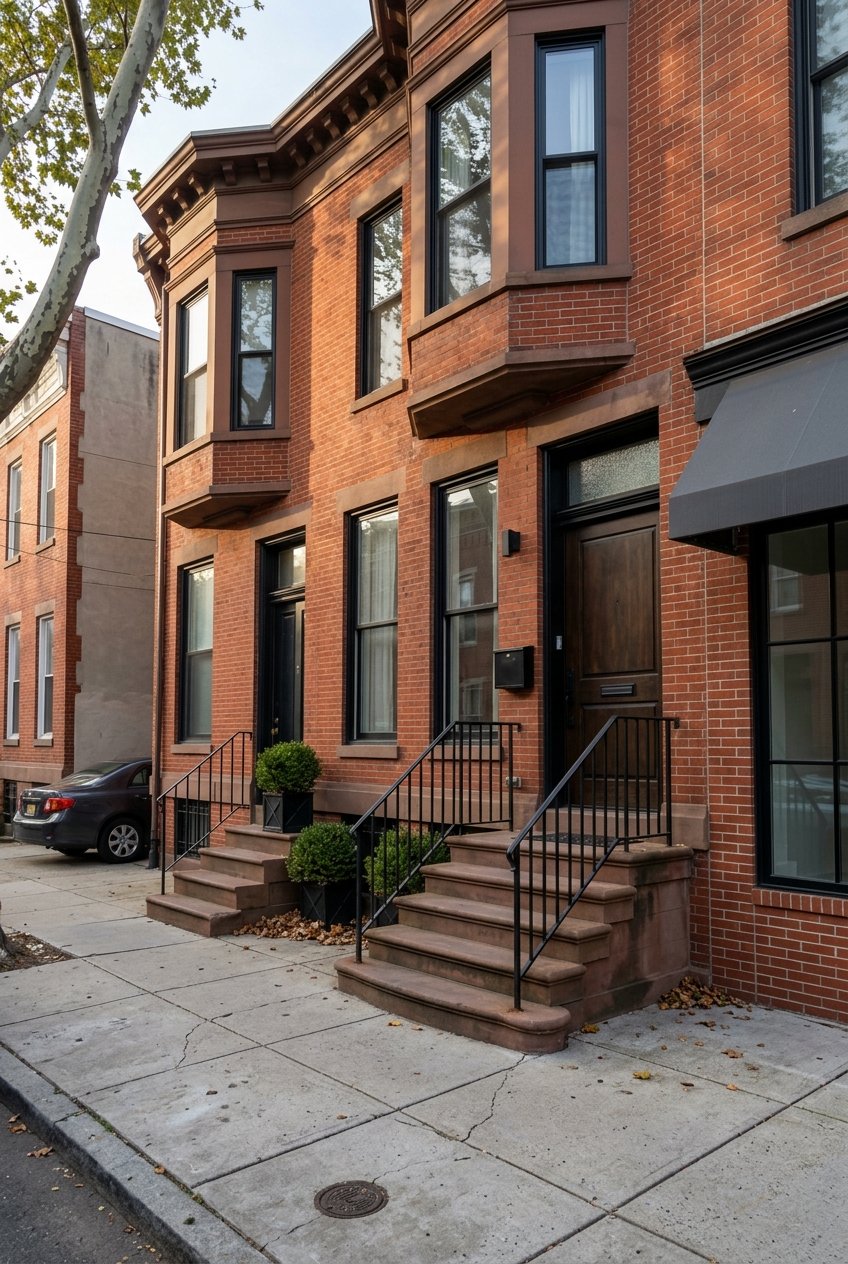
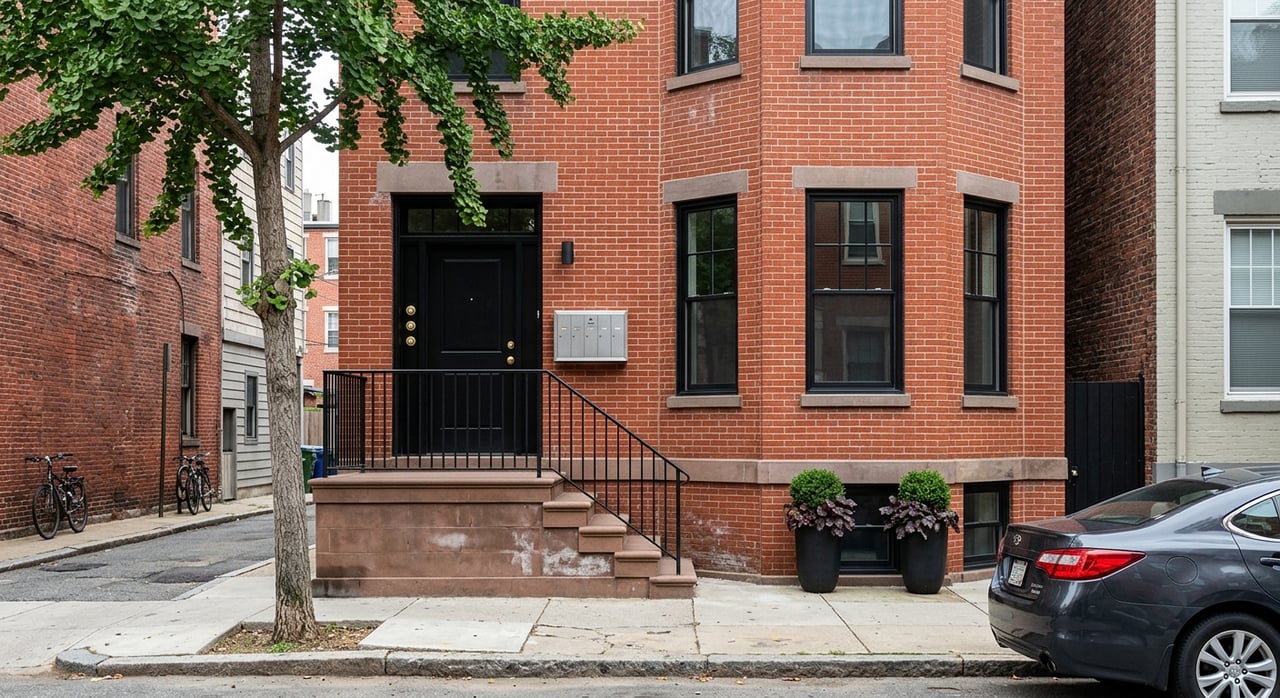
If you are shopping here, expect older, vertical properties rather than wide-lot homes with large driveways. The neighborhood plan notes that newer housing in some transition areas has often taken the form of 3-family homes built at relatively high density, and much of the neighborhood follows the same compact pattern.
That layout matters for buyers who want to house hack or hold a small rental property. In Newark overall, 45% of residential properties are 2 to 4 units, which shows how important small multifamily homes are to the local market. Newark also reports that 48% of owner-occupied units were built before 1950, so many properties come with age-related maintenance needs.
What Makes Ironbound Appealing
One of Ironbound’s biggest advantages is location. Newark Penn Station connects riders to major NJ Transit rail lines, and PATH service links Newark with Harrison, Jersey City, Hoboken, and Manhattan.
For an owner-occupant or small investor, that access can support steady rental interest. It does not guarantee performance, of course, but it helps explain why smaller multifamily properties in this part of Newark often stay on buyers’ radar.
Another advantage is the housing mix itself. Ironbound has long been a neighborhood where multifamily living is part of the local pattern, not an exception. That can make it easier to find duplexes, triplexes, and similar properties that fit a live-in-owner strategy.
The Real Tradeoffs to Expect
Ironbound multifamily buying is not just about rental income. It is also about managing the realities of older buildings, limited parking on some blocks, and city rules that can affect timelines and costs.
The neighborhood plan specifically notes parking shortages and compatibility issues as local concerns. That means you should be careful about assuming every property will function the way it looks on paper, especially if parking, storage, or unit layout is important to your plan.
You should also budget conservatively. Older homes can bring repair needs that may not be obvious during a quick showing, and expenses can rise fast when you own more than one unit under one roof.
What to Inspect Before You Offer
When you buy a 2 to 4 family property in Ironbound, your due diligence should go beyond the usual cosmetic check. You want to understand the building’s condition, the tenant situation if it is occupied, and whether the property is aligned with Newark’s rental compliance requirements.
Newark requires landlords to register rental units, and the city can inspect rental units at least once every three years or when occupancy changes. Compliant properties receive a Certificate of Habitability. The city’s checklist also calls for items such as the deed, proof of owner-occupied address, a rent control statement or exemption, and current tax and water information.
That means you should ask questions early, not after attorney review or late in the transaction. If the seller cannot clearly document registration status, occupancy details, or city compliance items, you may be looking at added work after closing.
Focus on Lead-Safety Rules
Lead compliance is a major issue in older Newark housing. New Jersey requires lead-hazard inspections for certain single-family, two-family, and multiple rental dwellings every three years or at tenant turnover if there is no valid lead-safe certification.
In a neighborhood where much of the housing stock is older, this can affect both your budget and your closing timeline. It is not just a form to sign. It may involve inspection scheduling, corrective work, and certification planning.
Review Tenant and Rent Details Carefully
If the property is tenant occupied, review the rent roll, lease terms, payment history, and security deposit records. You also want to know whether any units fall under Newark rent control.
According to Newark’s rent control guidance, certain residential rental units are covered, and annual increases for covered units generally cannot exceed 4%. That is important because your future income may not match your initial assumptions if you plan to raise rents quickly.
Check Flood Risk Early
Flood review is another smart step in Ironbound. Newark has a long history of flooding and combined sewer overflow issues, and buyers near river-adjacent or lower-lying blocks should verify flood exposure and insurance needs early.
This is one of those costs that can change your monthly numbers more than expected. If a property needs flood insurance, you want to know that before you finalize your budget.
How to Think About Rent Potential
Buyers often ask a simple question: will the numbers work? The answer starts with realistic rent estimates and a conservative expense plan.
Recent 07105 market data point to a range rather than one exact number. Reported home values and sale prices vary by source, with listing and value estimates roughly in the low $400,000s to mid $500,000s depending on the platform and methodology.
On the rent side, 07105 averages reported by Rentometer are about $2,225 for a 1-bedroom, $2,683 for a 2-bedroom, $2,749 for a 3-bedroom, and $2,791 for a 4-plus-bedroom unit. As a simple example, if two units each rented near the 07105 2-bedroom average, that would produce about $5,366 in gross monthly rent before vacancy and expenses.
That gross number is only the start. Your actual analysis should compare:
- Gross scheduled rent
- Expected vacancy
- Operating expenses
- Repairs and maintenance reserves
- Insurance and utilities
- Your monthly principal, interest, taxes, and insurance
Because Ironbound properties are often older and more compact, it is wise to be cautious with repair, turnover, and utility assumptions. A deal that looks strong on a rough estimate can feel very different once real expenses are included.
Financing Options for Owner-Occupants
If you plan to live in one unit, multifamily financing may be more accessible than you think. FHA remains a common starting point for many buyers because it can finance 1 to 4 unit properties with as little as 3.5% down when the home will be your principal residence.
That can make a duplex, triplex, or four-family home more realistic for buyers who want to offset housing costs with rental income. The property still needs to meet loan standards, and you need to be comfortable living in the building as your primary home.
Conventional options may also work. Fannie Mae HomeReady allows 2 to 4 unit principal residences and can consider rental income from non-owner units under program rules. Freddie Mac also offers owner-occupied 2 to 4 unit options that may allow income from the other units to help with qualification.
This is one reason pre-approval matters so much in Ironbound. The right strategy is not just about your credit score or down payment. It is also about unit count, occupancy plan, projected rent, and whether the property condition fits the loan program.
Assistance Programs That May Help
For buyers trying to reduce upfront cash needs, New Jersey and Newark programs may offer support. NJHMFA works through participating lenders for first mortgages and down payment assistance, and its down payment assistance is described as a five-year forgivable loan.
Program details can vary, so confirm current terms with your lender before you build your budget. Newark also offers the Live Newark Closing Cost Program, which provides a $20,000 no-interest forgivable loan for first-time homebuyers purchasing owner-occupied homes.
If you are early in the process, counseling may also help you get organized. Preparation matters even more when you are buying a property that is both your home and an income-producing asset.
A Smart Buying Strategy for Ironbound
In a neighborhood like Ironbound, success usually comes from buying with a plan, not just buying with optimism. You want to know what you can afford, how much repair work you can realistically take on, and whether the expected rent supports the payment.
A practical approach often looks like this:
- Get pre-approved before touring seriously.
- Set a budget that includes repairs, reserves, and compliance costs.
- Target properties with clear layout and income potential.
- Review tenant status and city paperwork early.
- Verify lead, flood, insurance, and habitability issues before moving forward.
- Run the cash flow conservatively, not best-case.
That kind of preparation can help reduce the surprise factor between accepted offer and closing. It also helps you choose a property that supports your long-term goals, whether that means lower net housing costs, future equity growth, or a first step into small multifamily ownership.
Buying a multifamily home in Ironbound can be a strong move if you like the idea of owner-occupancy, rental income, and long-term wealth building. The key is to match the opportunity with realistic planning around financing, repairs, compliance, and neighborhood-specific conditions.
If you want guidance that connects the property search with financing strategy from the start, reach out to Leo Lopes. You can get help thinking through pre-approval, property fit, and the numbers before you commit.
FAQs
Can you buy a duplex or triplex in Ironbound with FHA?
- Yes. FHA can finance 1 to 4 unit properties if you will occupy one unit as your principal residence and the property meets FHA standards.
Can rental income from an Ironbound multifamily property help you qualify?
- Often yes. Some loan programs allow income from the non-owner units to be considered, but the exact treatment depends on the program and underwriting rules.
What should you inspect before buying a multifamily home in Ironbound?
- Focus on building condition, tenant status, rental registration, Certificate of Habitability issues, lead-safety compliance, rent-control status, and possible flood-insurance needs.
Are older multifamily homes common in Newark’s Ironbound?
- Yes. Newark reports that a large share of owner-occupied housing was built before 1950, so older construction and maintenance needs are common factors in this market.
What hidden costs matter when buying a multifamily property in Ironbound?
- Common costs include repairs, lead compliance, registration requirements, insurance, possible flood-related costs, parking limitations, and limits tied to rent-controlled units.