If you want North Jersey access without needing a train station at your doorstep, Kearny deserves a closer look. For many buyers, the challenge is finding a town that keeps the commute practical while still offering everyday convenience and housing options that fit real life. This guide will show you how Kearny works as a commuter base, what kinds of homes you can expect, and why the town appeals to both owner-occupants and buyers looking at small multi-family opportunities. Let’s dive in.
Why Kearny Works for Commuters
Kearny sits in the northwest corner of Hudson County, close to major regional roads that shape daily travel across North Jersey. New Jersey DCA materials place the town near the New Jersey Turnpike, US 1/9, Routes 7, 21, 17, and I-280.
That location matters if your routine involves Newark, Jersey City, Manhattan, or a mix of destinations during the week. Kearny is less about rail-out-the-front-door living and more about practical access through buses, roadways, and nearby connections.
The town is also compact. The Census Bureau’s 2024 estimate puts Kearny at 40,866 residents across 8.8 square miles, with 15,367 housing units. For commuters, that smaller footprint can make local errands and day-to-day movement feel more manageable.
The Census Bureau also reports a mean travel time to work of 33.5 minutes. That does not predict your exact trip, but it gives you a useful baseline when comparing Kearny with other North Jersey locations.
Newark Is the Most Natural Commute
If you work in Newark, Kearny has one of its clearest commute advantages. NJ TRANSIT’s Newark station directory lists Route 30 as North Arlington/Kearny/Newark and Route 40 as Kearny/Jersey Gardens.
The Route 40 schedule is especially helpful for understanding the local pattern. It includes Newark Penn Station, Harrison PATH Station, and Kearny stops such as Davis Avenue at Oakwood Avenue. That gives you a practical corridor connecting Kearny to Newark and Harrison.
For many buyers, this is the strongest day-to-day story in town. If your job, school, or regular appointments are in Newark, Kearny can function as a straightforward home base without requiring a long transfer chain.
Key Newark commute options
- NJ TRANSIT Route 30 links North Arlington, Kearny, and Newark
- NJ TRANSIT Route 40 connects Kearny with Newark Penn Station and Harrison PATH Station
- Newark Penn Station serves as a major regional gateway for additional rail and PATH connections
Jersey City and Manhattan Commutes
You can absolutely live in Kearny and reach Jersey City or Manhattan without driving every day. The main thing to understand is that the trip often depends on bus service, PATH connections, or a direct bus route rather than a station inside Kearny itself.
PATH operates 24/7 and serves stations including Newark, Harrison, Journal Square, Grove Street, Exchange Place, Newport, Hoboken, and World Trade Center. Harrison Station, located at 913 Frank E. Rodgers Boulevard South, also lists NJ TRANSIT bus and taxi connections.
That makes Harrison an important part of the commute picture. In practical terms, many Kearny residents can use a bus connection into Harrison and then continue by PATH toward Jersey City or Manhattan destinations.
If Midtown is your target, there is also a more direct option. NJ TRANSIT Route 109 includes Kearny Avenue at Midland Avenue and continues to the Port Authority Bus Terminal.
What this means in real life
- Jersey City commute: Often bus to Harrison PATH or another PATH connection
- Lower Manhattan commute: Commonly through PATH service
- Midtown Manhattan commute: Possible through NJ TRANSIT Route 109 to Port Authority Bus Terminal
Driving Still Plays a Big Role
Even if you prefer transit, driving is still a major part of the Kearny lifestyle for many households. The town’s location near the Turnpike and several major routes gives drivers options that can be valuable for work schedules, family logistics, and weekend travel.
NJDOT describes Route 7 as a key Portway corridor that helps move traffic toward the Holland Tunnel and New York City, as well as into Jersey City’s business and industrial areas. That reinforces how important road access is to the local commute equation.
Kearny’s master plan also points to a more car-oriented pattern. Its ACS-based transportation table lists public transportation at 3.1%, which suggests the town is not built around rail-first commuting in the same way as some nearby locations.
If you are comparing towns, this is worth taking seriously. Kearny can work very well for commuters, but it works best when you are comfortable with a bus-and-connection setup, driving, or a mix of both.
What Housing You’ll Find in Kearny
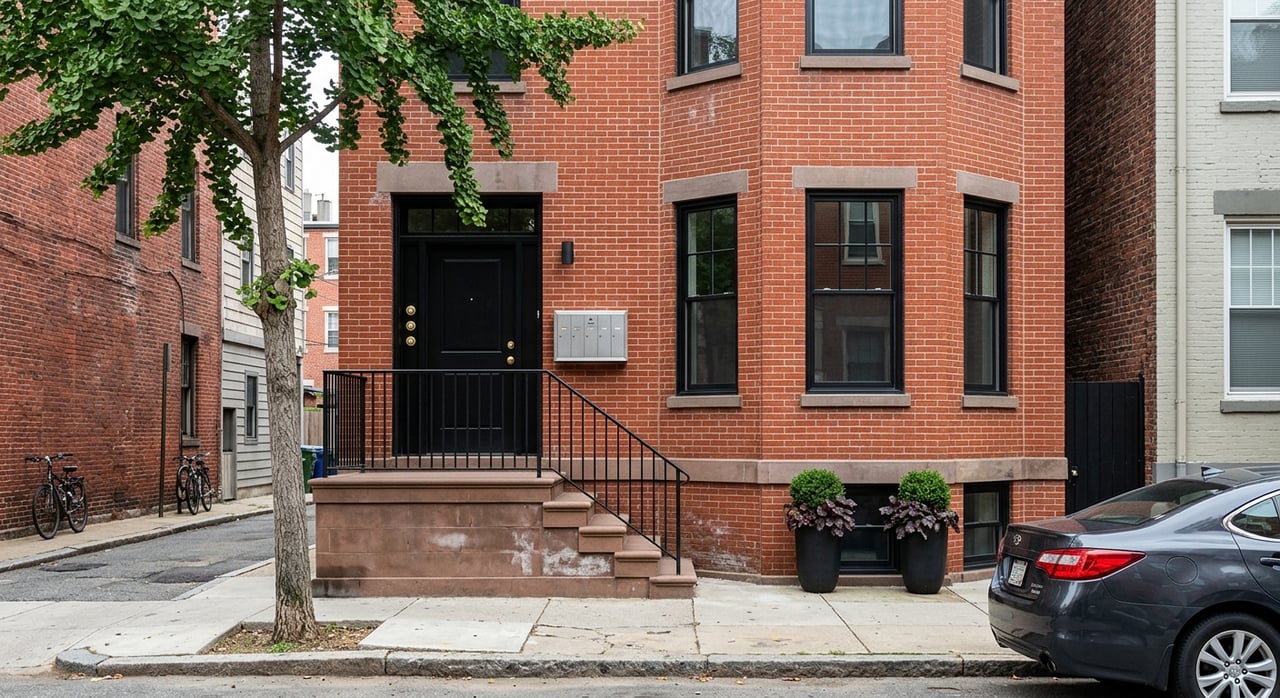
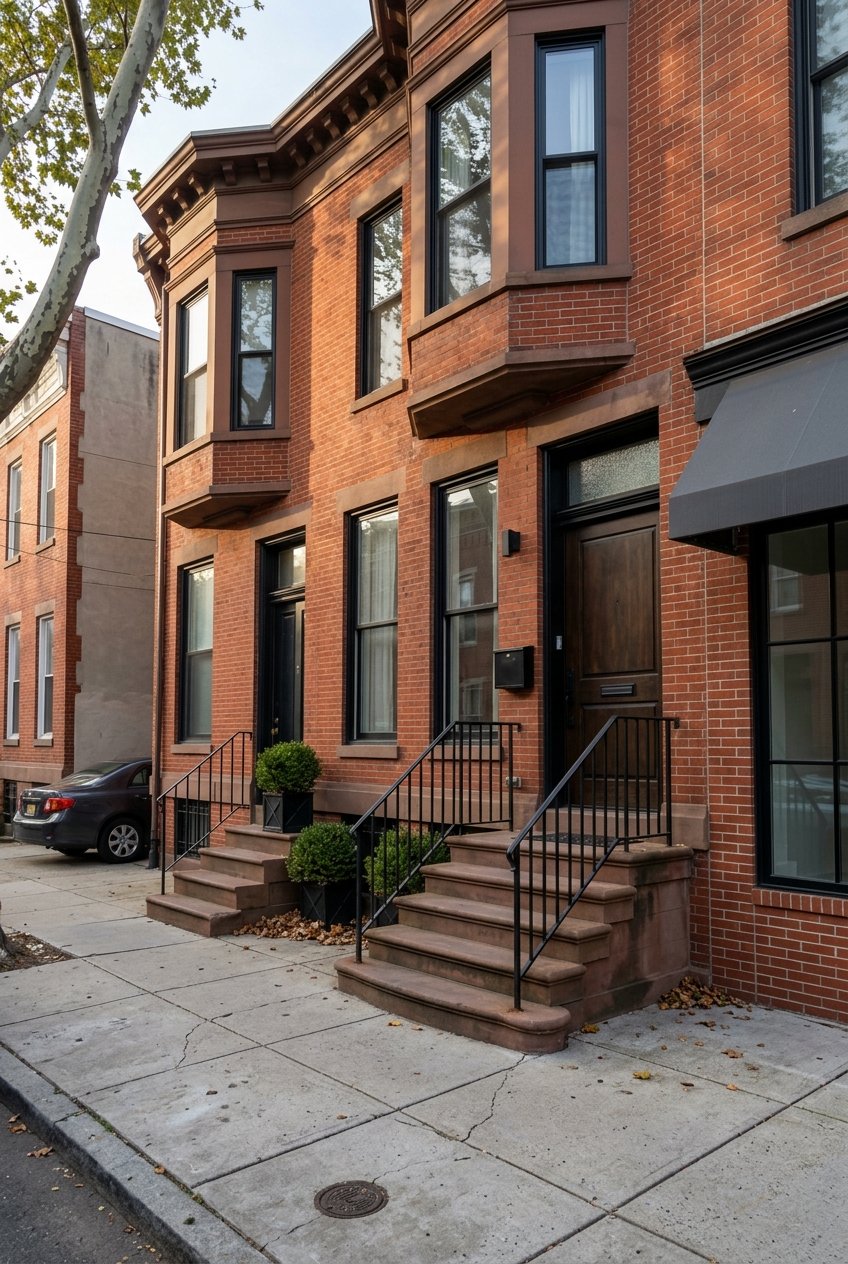
Kearny’s housing stock stands out for its older, smaller-scale feel. According to the town master plan, 30% of housing stock is detached single-family homes, 33.1% is two-family homes, and 13.3% is made up of three- to four-family buildings.
That mix gives buyers more than one path to consider. You may find an older detached home, a duplex-style property, or a small multi-family building that fits an owner-occupant or income-producing strategy.
The master plan also states that 46.2% of Kearny’s housing units were built before 1939. Older homes can offer character and location advantages, but they also require careful review of condition, layout, and likely update needs.
For rental-oriented buyers, Rutgers’ Hudson County rental profile adds an important detail. More than half of Kearny’s rental units are in two- to four-unit buildings, the town has the county’s largest share of single-family rentals at 14%, and over 40% of rental units are two-bedroom units.
Why this matters for buyers
- Single-family buyers may find older detached homes in an established setting
- Owner-occupants can explore two-family or small multi-family options
- Investors may see value in 2 to 4 unit properties near job centers and transit connections
- Households needing flexible space may benefit from the town’s mix of two-bedroom and larger rental inventory
For a brand like Prime Real Estate Services, this is where planning matters. In a town with older housing and many small multi-family properties, your property search and your financing strategy should work together from the start.
Day-to-Day Life for Busy Households
A good commuter town is not only about the trip to work. It also needs to support the routines that happen before and after the workday.
Kearny offers several practical amenities that help with that balance. The Kearny Public Library includes a main library and a branch library, around 90,000 volumes, computer access, and community programming.
The town’s Parks and Recreation Department operates from Riverbank Park and coordinates resident programs. Kearny has also funded a new 10-foot paved bike-and-walking trail through Riverbank Park from Ross Lane to Linden Avenue.
These features matter because they give you nearby options for recreation, errands, and downtime without always needing to leave town. For many households, that is part of what makes commuting more sustainable over time.
Shopping and Errands Stay Local
Kearny also benefits from established commercial corridors that support daily convenience. The town’s Health Department notes that the senior transportation route includes local supermarkets, churches, Kearny Plaza Shopping Center, and the Kearny Avenue Shopping District.
That route was designed for senior transportation, but it also points to something broader about the town layout. Many routine destinations are clustered in familiar local areas rather than spread far apart.
The Kearny Avenue Retail Shopping District has also received streetscape improvements, including sidewalks, streetlights, pedestrian corner ramps, kiosks, planters, and benches. The master plan further describes parts of the town center as historic mixed-use corridors with ground-floor retail, eateries, and other businesses.
For you as a buyer, that can translate into simpler weekly routines. Groceries, services, and casual outings may be handled close to home, which can matter just as much as commute time.
Is Kearny the Right Fit for You?
Kearny makes the most sense if you want a practical North Jersey base with solid Newark access and realistic connections to Jersey City and Manhattan. It is especially appealing if you are open to buses, nearby PATH connections, driving, or a flexible mix depending on the day.
It may also be a strong match if you are looking beyond the typical one-size-fits-all condo search. The town’s supply of detached homes, duplexes, and small multi-family buildings creates options for first-time buyers, owner-occupants, and buyers thinking about rental income.
The key is to approach the decision with a full picture of the lifestyle. In Kearny, the value often comes from how commute access, housing type, and daily convenience work together rather than from one headline feature alone.
If you are weighing Kearny against Newark, Harrison, or other nearby towns, a clear search plan can save you time and reduce surprises. If you want help matching commute needs, property type, and financing strategy, reach out to Leo Lopes.
FAQs
How do most people commute from Kearny to Newark?
- Many commuters use NJ TRANSIT Route 30 or Route 40, with Route 40 serving stops such as Newark Penn Station and Harrison PATH Station.
Can you commute from Kearny to Manhattan without a car?
- Yes. Common options include NJ TRANSIT Route 109 to Port Authority Bus Terminal or a bus connection to PATH service through Harrison.
What kind of homes are common in Kearny, New Jersey?
- Kearny has a mix of detached single-family homes, two-family homes, and three- to four-family buildings, with a large share of older housing stock.
Is Kearny more transit-oriented or car-oriented?
- Kearny functions more as a bus-and-connection town and remains relatively car-oriented compared with places that have direct rail service in town.
What makes daily life in Kearny practical for commuters?
- Local amenities such as the library system, Riverbank Park trail, recreation programs, shopping corridors, and concentrated errand areas help support everyday routines close to home.