Wondering if Newark’s Ironbound could fit the way you want to live? If you are looking for a neighborhood with urban housing choices, everyday dining options, and strong transit access, Ironbound often comes up for good reason. Here’s what you should know about housing, food, parks, and commuting before you decide whether this Newark neighborhood matches your goals. Let’s dive in.
Ironbound at a Glance
Ironbound is a dense neighborhood in Newark’s East Ward known for its low-rise, mixed-use layout and strong local business presence. City and planning sources describe higher density closer to Newark Penn Station, with many blocks shaped by a semi-urban street pattern.
The area is also closely tied to Portuguese, Spanish, and Brazilian immigration over many decades. That history helps explain why the neighborhood feels distinct in both its food scene and its street-level retail activity.
Ironbound Housing Types
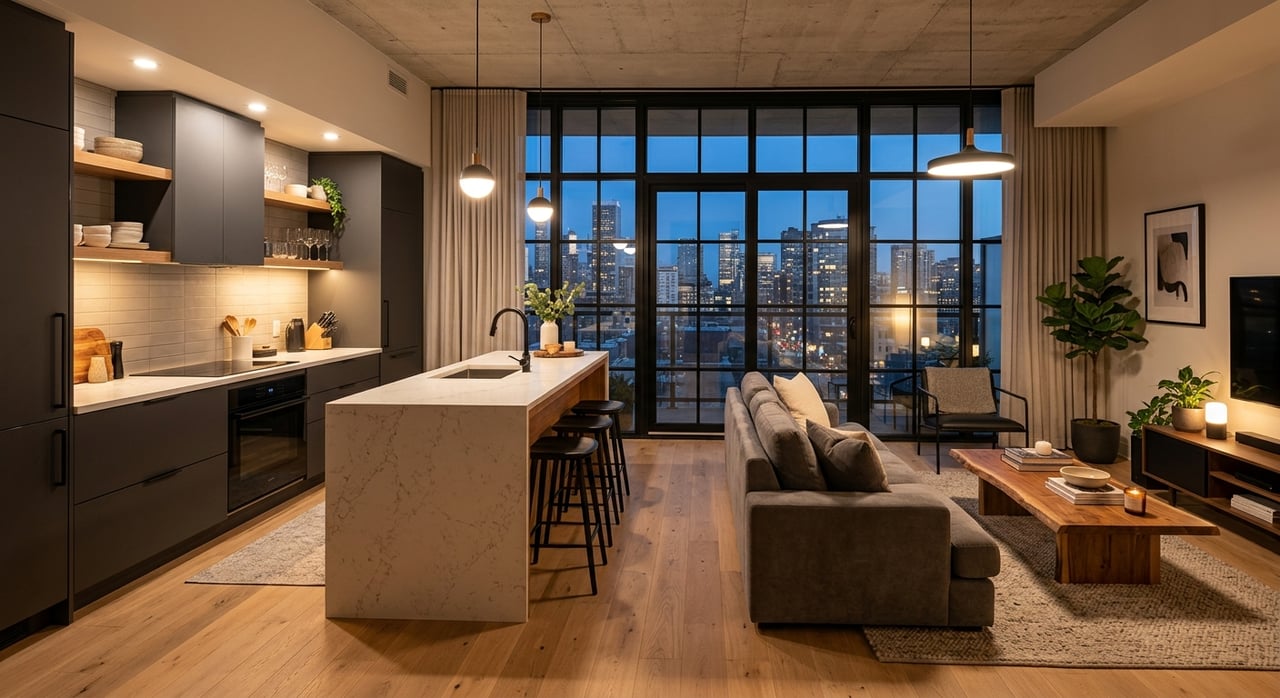
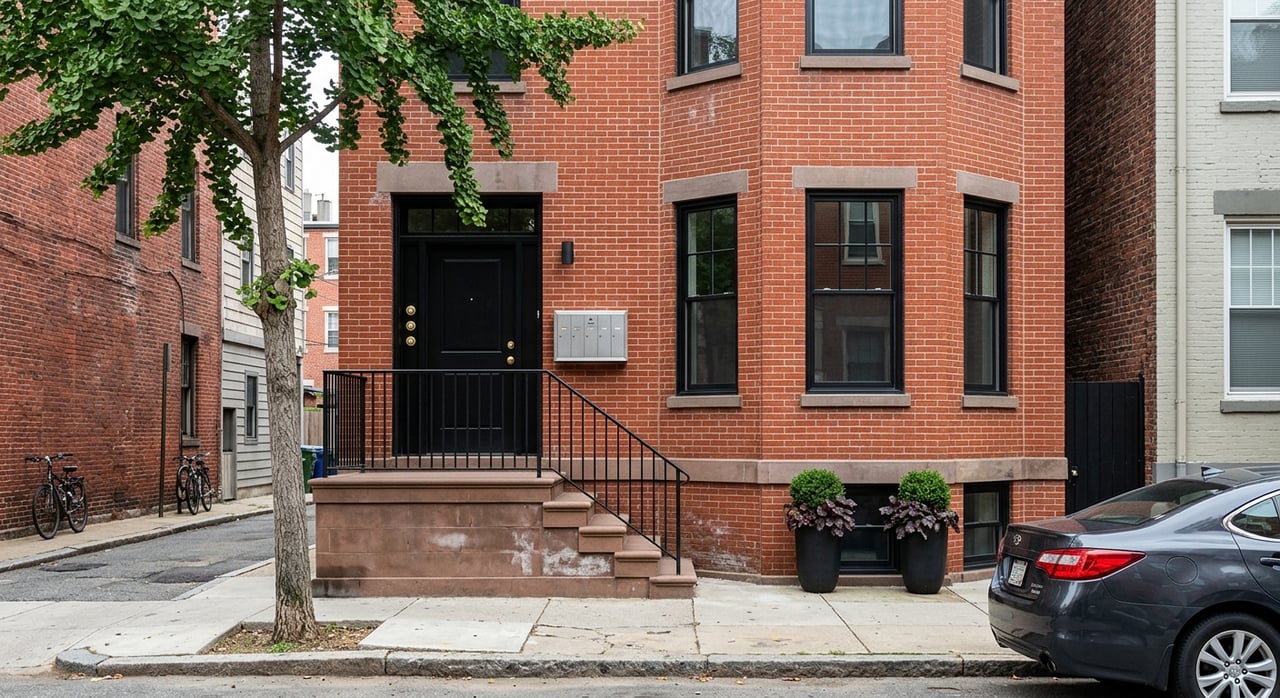
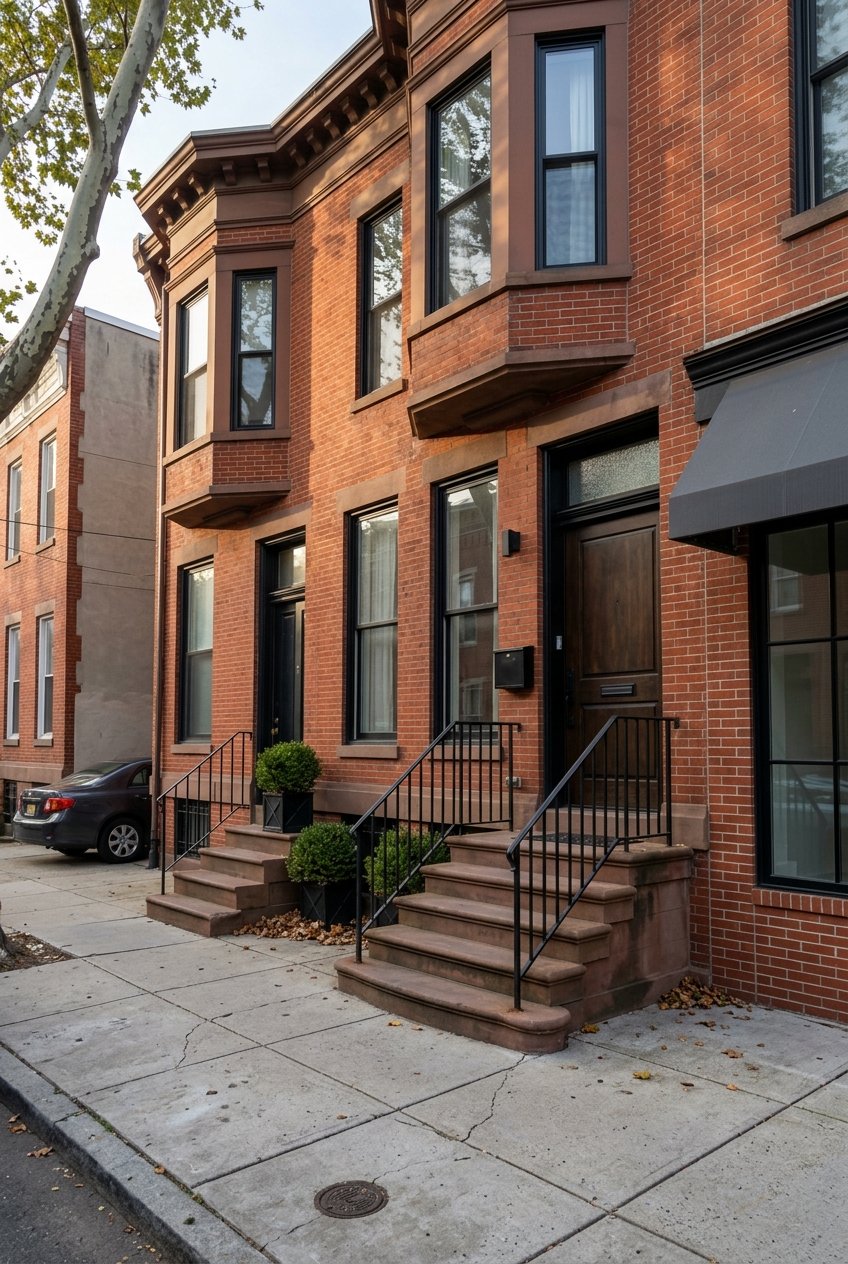
If you are picturing large suburban lots, Ironbound will feel very different. Newark zoning and planning documents point to a housing mix that includes single-family, two-family, and three-family homes, townhomes, low-rise multifamily buildings, and mixed-use properties.
In sections zoned R-3, the city allows single-, two-, and three-family homes plus townhomes up to three stories. The zoning text also notes smaller yards and rows of townhomes, which helps explain the neighborhood’s compact, walkable feel.
Some parts of Ironbound also include mixed residential and commercial uses, and the southern area includes mixed residential, commercial, and industrial land uses. For buyers and investors, that means the block-to-block experience can vary more than in a purely residential neighborhood.
What the Market Suggests
Newark’s 2025-2029 housing plan says the citywide market is shaped by high demand and limited affordable supply. It also notes that stronger markets such as Ironbound are influenced by access to transit and employment centers.
A current North Ironbound market snapshot from April 2026 showed 53 homes for sale and a median sale price of $574,786. That is one data point, but it does support the broader picture of a neighborhood with steady demand.
What Buyers Should Watch
Ironbound offers convenience, but practical due diligence matters here. The City of Newark identifies the neighborhood as a dense urban heat island in a natural depression that is vulnerable to flooding.
That does not mean every property carries the same level of risk. It does mean you should look closely at flood exposure, drainage conditions, insurance considerations, and building maintenance before you buy.
For owner-occupants and small investors, this is where coordinated planning can help. If you are comparing a two-family, a mixed-use building, or a rowhouse, it helps to review both the property details and your financing strategy early.
Ironbound Dining and Daily Life
Ironbound is widely known for food, but it is more than a special-occasion dinner neighborhood. Newark Alliance describes the area as home to more than 170 restaurants, unique markets, European stores, and small cafes within a four-square-mile radius.
That matters because it shapes daily life. In many parts of the neighborhood, grabbing coffee, picking up groceries, running errands, and meeting friends for a meal can all happen within the same dense street network.
The neighborhood is especially known for Portuguese, Spanish, and Brazilian cuisine. Combined with its long immigrant history, that gives Ironbound a strong local identity that many buyers and renters find appealing.
What Daily Convenience Feels Like
If your routine works best when essentials are close by, Ironbound may check that box. The neighborhood’s street pattern and business corridors can support a car-light lifestyle, especially in the denser core.
That said, your experience will depend on exactly where you live. A home closer to retail clusters and Newark Penn Station may feel more convenient for errands and commuting than one farther from the main activity centers.
Parks and Outdoor Space
Dense urban living does not mean giving up access to open space. Newark’s parks system includes neighborhood playgrounds, sports fields, walking trails, picnic areas, outdoor gyms, and open tracks.
In the East Ward, the city lists the Ironbound Recreation Center, which includes basketball courts, a pool, football and soccer space, and a playground. The city also lists Hennessey Street Basketball Courts and a fitness park and playground.
Essex County also maintains two notable parks in or near Ironbound. Riverbank Park is a 10.77-acre waterfront park along the Passaic River, and Independence Park covers 12.69 acres with athletic fields, walking paths, a playground, bocce, basketball, volleyball, soccer, and a hockey rink.
Why This Matters for Buyers
Parks can shape how a neighborhood feels week to week. They add places to walk, exercise, and spend time outdoors without leaving the area.
If you are comparing Newark neighborhoods, nearby recreation space can also change how a compact home feels in daily life. A smaller private yard may feel less limiting when parks and activity spaces are close by.
Ironbound Walkability and Car-Light Living
One of Ironbound’s biggest practical advantages is how much you can do without getting in the car every time. A third-party Walk Score rates North Ironbound at 90 for walkability, 70 for transit, and 61 for biking.
That is not an official city metric, but it does line up with the neighborhood’s physical layout. Dense blocks, mixed-use streets, and strong transit access all support a more walkable routine.
For some households, this can lower transportation costs and simplify daily schedules. For others, it simply means having more flexibility when commuting, shopping, or meeting everyday needs.
Transit Access from Ironbound
If commute access is high on your list, Ironbound stands out because of Newark Penn Station. NJ Transit says the station is served by the Northeast Corridor, North Jersey Coast, and Raritan Valley lines, along with Amtrak, PATH, and Newark Light Rail.
PATH’s Newark Station is on the Newark to World Trade Center line and connects with NJ Transit trains, Newark Light Rail, airport service, buses, and taxis. PATH also identifies Newark as an accessible station.
For many residents, that makes Ironbound a practical home base for getting around Newark and reaching New York. NJ Transit also notes that Penn Station New York can be reached through rail service with connections in Newark or Secaucus Junction.
Who Benefits Most from the Transit Setup
Ironbound can be especially appealing if you want strong regional access without living in Manhattan. The neighborhood gives you a Newark base with direct PATH service to Lower Manhattan and broader NJ Transit connections through Newark Penn.
This setup can also help buyers who want to balance budget, commute time, and day-to-day convenience. If you work in Newark, commute to New York, or need reliable rail options, Ironbound deserves a close look.
Is Ironbound a Good Fit for You?
Ironbound tends to make the most sense for buyers and renters who value location efficiency. If you want a neighborhood with low-rise housing, active commercial streets, notable dining, and strong transit, it offers a lot in one place.
It can also be worth a look for owner-occupants and small investors interested in two- to four-unit or mixed-use opportunities in a dense urban setting. Just be sure to weigh the benefits of transit and walkability against property-specific factors like condition, flood exposure, and lot size.
The best move is to look beyond the headline appeal and study the details block by block. In a neighborhood like Ironbound, the right property is not just about price. It is also about layout, location, risk, and how well the numbers support your next step.
If you are thinking about buying, selling, or planning your financing in Ironbound, working with an advisor who understands both the neighborhood and the mortgage side can help you make a more confident decision. Reach out to Leo Lopes for clear guidance tailored to your goals.
FAQs
Is Newark’s Ironbound walkable for daily errands?
- Yes. A third-party Walk Score rates North Ironbound at 90 for walkability, and the neighborhood’s dense street network supports errands, dining, and other daily activities in many areas.
What housing types are common in Newark’s Ironbound?
- Common housing types include single-family, two-family, and three-family homes, townhomes, low-rise multifamily buildings, and mixed-use properties, based on Newark zoning and planning documents.
Is Newark’s Ironbound good for commuting to New York City?
- Yes. Ironbound benefits from Newark Penn Station, which offers NJ Transit service, PATH access to the World Trade Center, Newark Light Rail, and other regional connections.
What should buyers watch for in Newark’s Ironbound?
- Buyers should pay close attention to flood exposure, heat-related conditions, property maintenance, and how a specific block fits their transit and daily routine needs.
Are there parks and recreation options in Newark’s Ironbound?
- Yes. The area includes the Ironbound Recreation Center, Riverbank Park, Independence Park, and other city recreation spaces with walking paths, courts, fields, and playgrounds.